



How to Recognize If Your Pet Feels Lonely While You Study
Your pet doesn't get why you're suddenly at your desk for hours. They just know you're home but not really there. Dogs and cats bond with their people. Long study sessions leave them feeling left out and confused.
Catching loneliness early keeps your pet emotionally healthy. Pets show loneliness through changed behavior. Spot these signs fast to stop anxiety before it gets worse.
Physical Signs Your Pet Feels Lonely
Dogs show loneliness through body language. A lonely dog presses against doors where you study or lies right outside. Ears drop, tail stays low. They whine softly or paw at the door. Cats act differently. They meow way more, especially near your study spot. Some get clingy and follow you everywhere during breaks. Others hide under beds or in closets for hours.
Watch their eating. Lonely pets skip meals. Your dog leaves food sitting in their bowl. Cats pick at food instead of eating. These appetite drops mean emotional distress.
Balancing Study Time with Pet Care
Classes, social stuff, part-time jobs, studying - everything wants your time. Your pet needs attention too. Balancing it all takes planning since your companion's wellbeing depends on consistency.
Big workloads make regular pet care especially really tough. Your pet's routine can't wait while you finish papers and important daily tasks. When deadlines pile up, some students turn to experts asking them to “write my paper for me” for certain specific projects. Better organization means finishing much quicker. This saved time goes toward daily walks and feeding schedules your pet always counts on. Quick short 10-minute play breaks make a real impact on their overall mood. Regular interaction stops loneliness from ever starting.
Building your schedule around your pet's needs creates a steady routine that keeps them feeling safe.
Behavior Changes That Mean Loneliness
Destructive behavior often means loneliness. Dogs chew furniture, shoes, or books they normally leave alone. Cats scratch furniture harder or knock stuff off shelves. These aren't revenge - they're asking for attention.
Too much noise means isolation. Dogs bark more when lonely, especially hearing you move. Cats meow constantly, crying out for response. Some pets pace nonstop, can't settle because they miss you. Bathroom accidents in trained pets signal distress. Loneliness creates anxiety messing up normal habits. Your dog might have accidents near your study area. Cats avoid litter boxes or go to weird spots. These accidents are emotional problems, not behavioral ones.
Depression and Anxiety in Pets
Loneliness turns into depression if ignored. Depressed pets sleep constantly, sometimes 16-18 hours daily. They ignore stuff they love. Your dog skips their favorite toy. Cats stop playing completely.
Physical stuff comes with emotional stress. Pets over-groom, making bald spots or raw areas. Some get stomach problems from stress. Weight changes - gaining or losing - show emotional issues hurting physical health. Separation anxiety differs from loneliness but grows from it. Pets with separation anxiety panic when you leave. They shake, drool tons, or act frantic. This needs a vet or behaviorist to fix.
Making Your Study Space Pet-Friendly
Bring your pet into your study area when possible. Put a comfy bed or blanket near your desk. Lots of pets feel better just being in the same room, even if you're busy.
Interactive toys, according to research, keep pets occupied during study time. Puzzle feeders make dogs work for treats - keeps them busy 20-30 minutes. Automatic laser toys entertain cats without needing you. Swap toys weekly so they stay interesting.
Background noise helps some pets. Leave a TV or radio on softly. The sound makes them feel less alone. Some pets like calming music made for animals.
How Different Pets Show Loneliness
Different pets act out differently:
Dogs - Whine, pace around, chew stuff up. Need regular walks, playtime, and your company to feel okay.
Cats - Meow too much, hide, or groom themselves raw. Need play sessions, places to climb, and your attention.
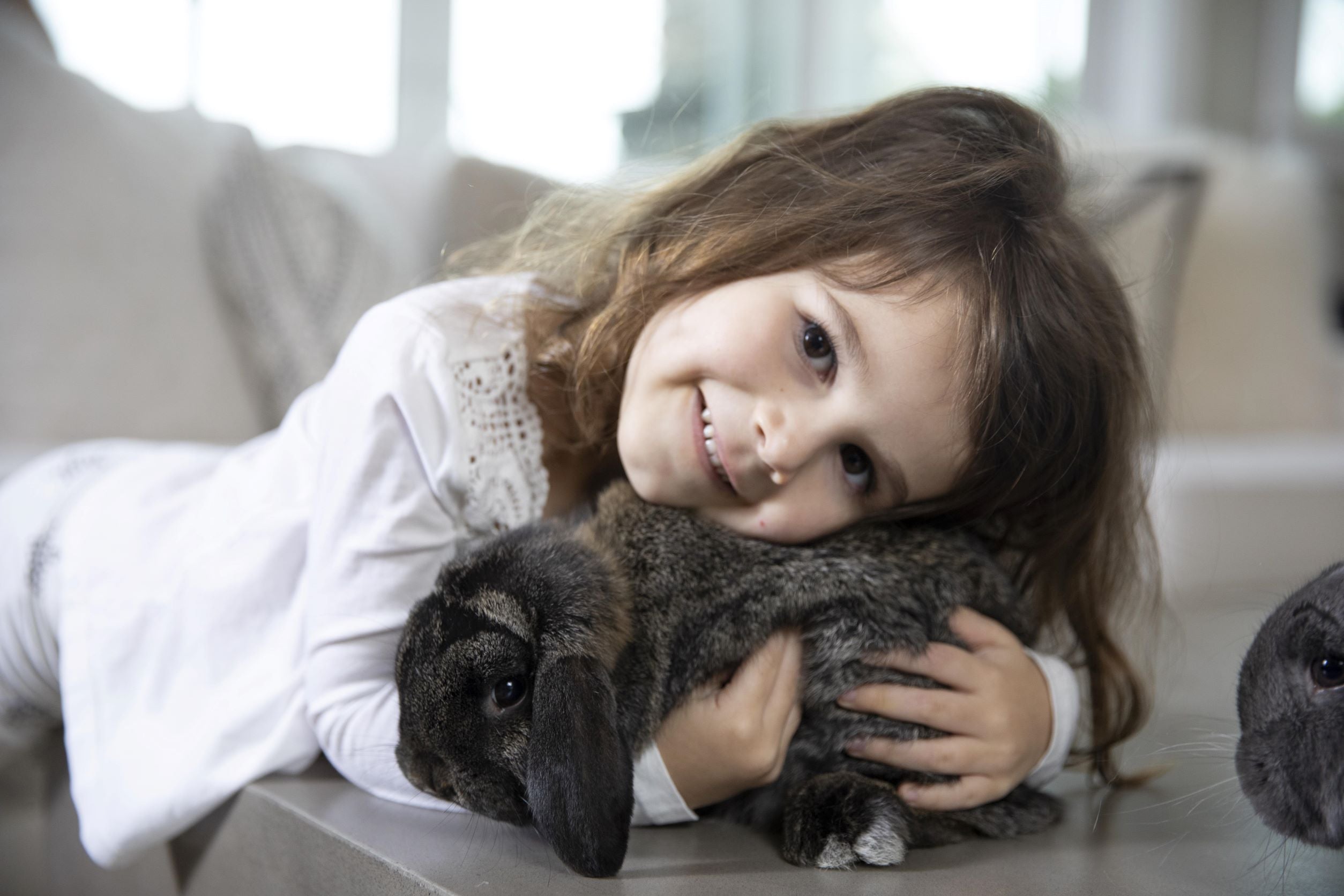
Rabbits - Thump their back feet, get aggressive, or barely move. Need daily exercise, social time, and interesting stuff in their space.
Birds - Pull their own feathers out, scream, or stop eating. Need mental challenges, time out of the cage, and interaction with you.
What Your Dog Really Needs
Dogs are pack animals who hate being alone. Labs, German Shepherds, and Goldens especially need constant company. They were bred to work with people and suffer when separated too long.
High-energy breeds need lots of activity. A lonely Border Collie or Aussie develops problems quick. These dogs need 1-2 hours of exercise daily plus brain games. Without enough activity, loneliness makes everything worse.
Senior dogs feel loneliness harder. Old pets depend on routine and familiar faces. Schedule changes confuse them. They need extra comfort during busy study times.
Understanding Cat Loneliness
Cats hide distress better than dogs. Indoor cats struggle more since they depend entirely on you for fun and social time without outdoor stuff to do. Young cats under two need lots of play. Kittens left alone too long get anxious and act out. They need 2-3 play sessions daily, each 10-15 minutes at least.
Multiple cats handle your schedule better. They keep each other company when you're busy. But not all cats get along. Cats who hate each other create more stress, not less.
Quick Fixes for Lonely Pets
Take breaks every 90 minutes for pet time. Quick walks with dogs or play with cats. Even 5-10 minutes of real attention helps.
Hire a dog walker or pet sitter for crazy weeks. Someone giving midday attention breaks up long lonely hours. Pet cameras with treat dispensers let you interact from your phone. Talk and give treats remotely.
Think about a second pet if yours shows constant loneliness. Shelters have tons of animals needing homes. A companion provides company. This needs serious thought about time, space, and money though.
Building Daily Routines
Wake 30 minutes earlier for morning time before studying. Walk dogs or play with cats using their favorite toys. This cuts their anxiety for hours ahead.
Evening wind-down helps pets shift to night mode. After studying, give 30-60 minutes of full focus. This consistent thing teaches them when they get your attention. Predictability cuts loneliness stress. Weekends make up for busy weekdays. Longer walks, dog parks, extended play. These special activities strengthen your bond and give extra fun your pet needs.
Conclusion
Your pet's emotional health matters as much as physical health. Loneliness hurts animals who depend on human company. Watch for warnings - changed behavior, skipped meals, too much noise. Include your pet in routines even during busy study times. Small daily bits prevent loneliness from becoming serious anxiety. Your pet gives unconditional love. They deserve attention that recognizes their emotional needs.
Read MoreFilter - Key Words
- bedding
- beding
- biodegradable
- bird
- Bunny
- carefresh
- cat health
- cats
- CritterCare
- diet
- dog
- donation
- ferret
- food
- Guinea Pig
- habitat
- hamster
- health
- Healthy Pet
- kitten
- Leadership
- litter
- multi
- okocat
- ökocat®
- paper bedding
- pet love
- pets
- puppy
- Rabbit
- safety
- small animal
- small pet
- sustainable
- tracking
- Vet
- Veterinarian


Natural Wood Cat Litter vs Clay & Silica: What's the Difference and Why Make the Switch Today
Read More
 email us