



Cat & Dog Worming – All You Need To Know To Prevent Worms
Whilst your pets happily go about their business enjoying life and the world around them, there are unfortunately health issues they can pick up. One of them is the problem of worms and parasites, with infestations in pets more than just an unpleasant nuisance. If left undetected and untreated, they can be a serious health concern for both cats and dogs, so what can you do about it?
Fortunately, there is a way to prevent this, with regular worming essential to keep your furry friends healthy and to avoid further spread of infection. You may need to find some clever ways to give your dog or cat this type of medication, such as mixing tablets in food or confidently administering them directly into their mouth with a bit of patience, but this effort is worth it for a healthy pet.
Whether you're a new pet owner or just want to be more aware of the dangers of untreated worms, the below information can help you investigate further and keep your cat or dog worm-free.
What Kinds of Worms Can My Pet Catch?
There are a few types of worms that can affect your pets, each with its own unique unpleasantness. According to The People's Dispensary for Sick Animals (PDSA), the most common worms in cats and dogs include roundworms, tapeworms, lungworms, threadworms and whipworms.
Roundworms – they live in the intestines and can cause serious health issues for puppies. They can grow up to 15cm long and look similar to spaghetti or noodles.
Tapeworms – these live in the small intestine and are recognisable by the small, flat rice-like segments that can grow up to 50cm long. Cats may pick these up from fleas.
Lungworm – found in dogs, these are carried by snails and slugs, causing serious health issues. This has become more common across the UK from dogs eating these when outside, and can even be picked from the grass or stagnant water.
Threadworm and Whipworm – these also affect dogs but are rare in the UK. They live in the large intestine and can reach 2-3 inches in length.
Symptoms of your cat and dog having worms may include diarrhea, weight loss, a dull coat, and in more severe cases, respiratory distress, but sometimes there may not be symptoms as obvious as this. It’s important to not self-diagnose, so contact your vet if you notice any symptoms. Regular vet check-ups will help you catch these signs early and get the recommended worming treatment.
According to statistics from the CATS Report UK 2023 from Cats Protection, 16% of cat owners treat their cat for worms only when they think they are present when asked how often they tend to give their cat a worming treatment – however, cats do not show outward signs of worms when infected, so many cases are missed. For dog owners, almost 10% are unaware worming treatment should be given monthly to protect against nasties like lungworm according to a national survey of pet owners and vets by Elanco, with just 1 in 3 aware that lungworm can be found across the UK.
How To Prevent Your Pet From Catching Worms
So, now you know why they are a problem, how can you prevent your furry friend from catching worms in the first place? It does require a proactive approach, combining regular treatment with managing the environment they find themselves in. Here’s how you can keep your pets as worm-free as possible:
Regular Deworming – You’ll need a regular deworming schedule for your pets. According to Dr Lily Richards BSc writing for pet insurance provider Petgevity, puppies should be wormed every two weeks until they are 12 weeks old, then monthly up to 6 months old. Adult dogs should be wormed every 3 months at least, and more often if your vet recommends. With cats, this is the same, with your kitten wormed every 2 weeks until they are 12 weeks old, then once a month up to 6 months old. In adult cats, this should be at least every 3 months or more often if higher risk, such as if they are an outdoor cat.
Flea Control – Fleas can carry tapeworms, so controlling fleas is essential in preventing tapeworm infections. Use regular flea treatments as prescribed by your vet, and maintain a clean environment to reduce flea populations.
Environmental Hygiene – Dispose of pet poop quickly and regularly, especially in gardens and public areas where pets play. This will reduce the risk of your pets picking up an infection from eating the worms’ larvae.
Clean Feeding Areas – Regularly clean and disinfect your pet's feeding area including food and water bowls. Empty cat litter trays and clean them too.
Regular Vet Checks – Routine check-ups with your vet can catch infestations early before they become a major health problem. Discuss your pet’s lifestyle with your vet to tailor the worming schedule to their specific needs, such as if you have an indoor or outdoor cat or if you have a puppy or older dog.
Most of the time it’s about ensuring a good clean environment both indoors and in the garden to help create worm-free areas and being vigilant when taking your dog for a walk so that they don’t eat anything unusual. Regular worming treatment is still required to ensure the best prevention.
What is the Right Worming Treatment?
Having an effective worming treatment is crucial to protect your pets from parasites. With a variety of treatments available, including tablets and spot-on formulations, it’s best to speak to your vet for their recommendations and get a prescription worming treatment.
Pet's Age and Health – Puppies and kittens will require different formulations than adults based on age and weight. Also, the vet will need to assess your pet’s current health to ensure the right treatment is used too.
Lifestyle and Exposure – Outdoor pets or those who are frequently in contact with other animals might need more frequent or robust treatments compared to indoor-only pets.
Different Methods To Treat – Consider how easy it is to administer the treatment. If you struggle to give pills to your pet, a spot-on treatment or an injectable administered by a vet might be a more practical choice.
Treatment Effectiveness – Some products target only specific types of worms, while others offer broad-spectrum protection. Your vet can help prescribe based on the types of worms that are a risk for your pets and the area you live in.
Always consult your vet before starting any new medication. Ideally, you should avoid buying off-the-shelf worming treatments as the PDSA doesn’t recommend these. It’s best to book an appointment with your vet and get the right treatment prescribed the first time.
Minimize the Risk of Worms & Get Your Pet Regularly Treated
Overall, if you want to ensure your pet stays free from the horrors of worm infestation, avoid trying to do this yourself and self-diagnosing, or worse, ignoring the problem altogether. It’s all about staying vigilant about environmental hygiene both indoors and outdoors.
Early detection through regular vet check-ups is the best way to prevent serious health issues and keep your beloved cats and dogs healthy with worming treatment. Fingers crossed your dog or cat can enjoy many worm-free days ahead, keeping them at bay for as long as possible. If they do catch them, have peace of mind you can get the right treatment quickly from your vet for efficient removal.
Read MoreEmbracing the Delightful World of Guinea Pigs: A Tribute to These Endearing Pets
Guinea pigs, also known as cavies, have carved out a special place in the hearts of pet enthusiasts worldwide. These small, gentle creatures are not just pets; they are companions that bring joy, laughter, and a unique charm to our lives. In this blog post, we celebrate the wonderful world of guinea pigs and explore what makes them such beloved members of countless households.
History and Origin:
Originating from the Andes Mountains of South America, guinea pigs have a rich history that dates back thousands of years. Initially domesticated for food, they soon became cherished pets among indigenous tribes like the Inca civilization. Their journey to Europe during the Age of Exploration further solidified their role as beloved companions rather than mere livestock. Today, guinea pigs are cherished worldwide for their delightful personalities and adorable appearances.
Unique Traits and Characteristics:
Guinea pigs are known for their distinctive features, including their soft fur, expressive eyes, and endearing squeaks and chirps. Unlike other small pets, they are diurnal, meaning they are most active during the day, making them perfect companions for families and individuals alike. Their social nature also sets them apart; guinea pigs thrive on companionship and bond closely with their human caretakers, often forming deep emotional connections.
The Joy of Guinea Pig Ownership:
Owning a guinea pig is a rewarding experience filled with daily moments of joy and companionship. These gentle creatures quickly learn to recognize their owners, eagerly anticipating interactions and treats. Whether they're popcorning with excitement or snuggling up for a nap, guinea pigs have a way of brightening even the dullest of days. Their curious and playful demeanor encourages interaction, making them ideal pets for children who can learn valuable lessons in responsibility and empathy.
Care and Maintenance:
Providing proper care for guinea pigs is essential to their health and happiness. They thrive in spacious homes with plenty of room to roam, explore, and hide and lots of comfy, absorbent bedding such as carefresh. A balanced diet rich in hay, fresh vegetables, and pellets ensures their nutritional needs are met. They also need extra Vitamin C as they are not able to product their own. Regular grooming, including nail trimming and brushing, helps maintain their silky coats and promotes bonding between pet and owner. Routine veterinary check-ups are also crucial to monitor their well-being and detect any health issues early.
Read >>> The Ultimate Guinea Pig Diet Guide
Guinea Pig Community and Resources:
The guinea pig community is vibrant and supportive, with numerous online forums, social media groups, and local clubs dedicated to sharing knowledge and experiences. These communities provide valuable resources on topics ranging from diet and behavior to health care and enrichment activities. Whether you're a first-time owner or a seasoned guinea pig enthusiast, these resources offer a wealth of information and a sense of camaraderie among fellow cavy lovers.
Fun Facts and Trivia:
Did you know that guinea pigs can learn to recognize their names? They communicate through a variety of vocalizations, each with its own meaning, from happy squeaks to contented purrs. Guinea pigs also have a lifespan of around 5-7 years, making them long-term companions for those willing to provide loving care throughout their lives. Their diverse coat colors and patterns add to their visual appeal, with breeds like Abyssinian, Peruvian, and American Short Hair showcasing a stunning array of genetic diversity.
Conclusion:
Guinea pigs enrich our lives in countless ways, from their gentle nature to their amusing antics and unwavering companionship. As we celebrate these endearing pets, let us continue to advocate for their well-being, educate others about responsible pet ownership, and cherish the special bond we share with our furry friends. Whether you're considering welcoming a guinea pig into your home or already have one as a cherished companion, their presence is sure to bring warmth and happiness to your heart.Join the conversation by sharing your own guinea pig stories, tips, and photos on social media using #GuineaPigAppreciation. Let's spread the joy of cavy companionship and celebrate these delightful creatures together!
Read MoreAre Hamsters the Ultimate Pet?
Are you considering a fluffy addition to your family, one that fits snugly in the palm of your hand and charms you with its tiny antics? Look no further than the humble hamster! These pint-sized bundles of energy have been winning hearts around the world for decades, and for good reason. Today, we delve into why hamsters make such fantastic pets, especially when pampered with carefresh small pet paper bedding and spacious habitats.
The Charm of Hamsters
First things first, let’s talk about their irresistible charm. Hamsters are undeniably cute with their plush fur, twitching noses, and miniature paws. Whether they’re munching on a sunflower seed or zooming around in their large wheel, their playful antics are guaranteed to bring a smile to your face.
Why Choose a Hamster?
Hamsters are ideal for both seasoned pet owners and first-time caregivers. They’re relatively low-maintenance, making them perfect for busy individuals or families looking to introduce a pet into their home. These little critters are independent yet sociable, enjoying interaction with their owners while also content to explore their own miniature world. That's why they make such a great choice for a classroom pet too!
carefresh Bedding: A Soft, Dry, Comfortable Home
One of the keys to keeping your hamster happy is providing them with a comfortable living environment. carefresh bedding is a game-changer in this regard. Made from scratch using natural paper fibers, this bedding is not only soft and comfy but also super absorbent, helping to control odors and maintain cleanliness in their home. Plus, it’s biodegradable and eco-friendly – a win-win for both your pet and the planet!
The Importance of a Spacious Habitat
Now, let’s talk real estate – hamster style. These furry friends may be small, but they thrive in large habitats where they can scamper, burrow, and explore to their heart's content. A roomy habitat allows them to exhibit natural behaviors like digging tunnels and nesting, promoting both physical and mental well-being. Remember, a happy hamster is a healthy hamster!
Hamster Care 101
Caring for a hamster involves more than just providing a comfy cage and tasty treats. Regular cleaning of their habitat, fresh food and water daily, and occasional vet check-ups are all part of responsible hamster ownership. Luckily, with a bit of love and attention, these adorable creatures will reward you with endless entertainment and companionship.So, are hamsters the ultimate pet? If you’re looking for a small, lovable companion that doesn’t require a huge time commitment but still offers plenty of personality and charm, the answer is a resounding yes! Equip them with carefresh bedding for a comfy, dry home, provide a spacious habitat to explore, and watch your hamster thrive in its own tiny kingdom. With the right care and environment, your hamster will not only be a delightful addition to your family but also a constant source of joy and affection. Ready to embark on this fluffy adventure? Your new hamster friend awaits!
Read MorePurr-fectly Well: Strategies for Supporting Cat Wellness
Image Source
As a conscientious cat owner, it’s crucial to ensure that your pet is taken care of at all times. Part of it is ensuring that your babies are leading a peaceful and comfortable existence. But aside from this, there are a few other things to consider. So, in this blog, we will look at some strategies on how you can support your cat's wellness.
Clean Their Litter Boxes
When it comes to their toilet, cats are meticulous. Even if they use the litter after you scoop up the poop, it's typically insufficient to please them. A beautifully clean box and a natural fresh litter like okocat will make your cat very happy. Avoid using ammonia-based or strongly scented cleansers because cats hate them. Instead, use fragrance-free dishwashing solutions with hot water to scrub their litter trays.
Provide Multiple Litter Boxes If You Can
Make sure your cat(s) has more than one litter box if you can. Generally speaking, each cat should have one extra litter box. That implies you should give each of your two cats three trays and two trays for one cat. Additionally, ensure your cats' litter trays are situated in peaceful sections of the house where they can have some solitude when using the restroom.
Provide Physical Activities
Every cat needs mental and physical stimulation. Every day, dedicate at least thirty minutes to play with your cat. Playing games with your cat enhances their health and strengthens your relationship. There are tons of entertaining activities to play together.
Don't forget to buy your cat a high-quality scratching post. Cats who scratch maintain toned muscles and get rid of dead layers from their claws. Scratching has a rhythmic, repeating quality that reduces your cat's tension and anxiety. Cats are obligate scratchers since it's how they mark their territory. Giving your cat access to a few scratching posts can also help stop them from scuffing up your furniture or other belongings if you teach them how to use them.
Watch Their Weight
Similar to humans, cats who are overweight may develop major health issues like diabetes, cancer, heart and lung issues, and orthopedic conditions like osteoarthritis. In addition to preventing overeating, feeding cats with treat balls, slow feeders, or puzzle feeders at mealtimes stimulates their minds.
As a fur parent, it’s important to be equipped with the necessary knowledge on how to tend to your pets properly. Consulting credible online resources and reading a book on pet health can provide you with invaluable tips, so you can give your beloved cat the best care possible.
Stop Feeding Your Cat Too Much Dry Food
Cats are carnivores, and meat should be the main component of their meals. In fact, their first meal of the day should contain meat. If you give your cat just dry food, it will result in excessive consumption, which can be harmful in the long run. If possible, provide your cat with some wet food in their diet.
Groom Them
Playing and cuddling with your cat can help you bond, but grooming together can also be a terrific method. In addition to searching for and eliminating parasites and reducing hairballs, this will also remove loose fur and can cause skin irritation in the form of lumps and bumps that may require veterinary attention.
Grooming can also improve blood flow to the skin and distribute natural oils throughout the coat. Brushing helps maintain the health of the coat and skin. While some cats respond well to baths, for those that don't, try giving your cat a wash with a warm, moist face washer to help clear the coat's surface of dust, dirt, and other impurities from the environment.
Get Your Cat Spayed or Neutered
Getting your cats spayed or neutered is the best move to protect their health while avoiding unwanted kittens. A veterinarian performs this straightforward procedure, and it should be completed before a female cat turns four months old.
Neutering, sometimes known as "the snip," helps male cats no longer fight with other cats and reduces their risk of injury or illness. Moreover, it may deter them from spraying inside the home.
Ensure That Preventative Care Is Updated
Ensure that your cherished feline has received all recommended vaccines, flea, tick, and worming treatments. Consult your veterinarian if you're unsure what preventative measures your cat should be taking. To make it simpler to keep informed, you could schedule phone reminders for any forthcoming dose(s).
Ensure Regular Check-Ups
A year is a long time for a cat to go without a veterinary examination because our animals mature far faster than we do. Instead, get your cats checked every six months to identify any issues and address them early on. However, if your cat isn't a fan of going outside, you can contact a local house veterinarian, and they will be willing to check your cat in the comfort of your home.
Final Thoughts
These tips are only the basics. While tending to your cats is a full-time job, returning our cats' daily affection is well worth the effort. Your cat will provide you with a lifetime of happiness and company in return for the care you provide.
Read MoreThings To Consider Before Choosing a Veterinarian for Your Furry Friend
Photo by Werzk Luuuuuuu on Unsplash
It is not surprising that over 50% of the world's population are pet owners. Hence, it becomes pertinent to look after the health and wellbeing of your furry child. Remember, owning a pet goes beyond simply providing them with food and toys.
It requires the utmost dedication and a true sense of responsibility. Just like us, our furry friends require medical attention. However, unlike us, our pets cannot easily communicate their health concerns. We must choose the right veterinarian when we commit to raising a pet.
That said, choosing the right veterinarian is no walk in the park. However, with a simple Google search, you will find multiple options, including testimonials and ratings.
However, not all vets can meet your pet's and your pet's expectations and medical requirements. Hence, you need to pick a vet who understands and meets your pet's needs. In this comprehensive guide, we will talk about how you can choose the perfect dogtor.
Things to Look for in A Vet
Like your human children, your furry child needs the best love and care. Hence, think of choosing a vet the same way you would choose a pediatrician for your child. You will surely want to choose a doctor who is an expert in childcare. Similarly, your pets deserve a vet who understands their medical needs.
You would expect your bet to be skilled in a wide range of veterinary experience. They must hold proper medical degrees and be acquainted with the latest medical technology.
Make sure the vet you choose loves animals. Imagine choosing a vet with all the medical experience but terrible animal manners. This is sure to put you off the very second.
Additionally, good vets must be transparent and communicate the medical concerns of the pets to their pawrents. They must educate the pet owners after after-care or at-home treatment. Paw parents get very anxious while dealing with a sick pet in the house post-treatment.
Moreover, the vets must clearly explain the diet, medication, rest, and other aspects. Vets and pet owners must cooperate to achieve the common goal—a pet's overall well-being. Therefore, as a pet parent, you must choose a doctor who can meet your expectations through open and transparent communication. If you live nearby, a well-reviewed veternarian in Frisco can provide the personalized care and clear communication your pet needs for proper post-treatment support. Having a trusted local vet ensures you and your pet benefit from convenience, timely follow-ups, and a better understanding of any care instructions.
Choosing the Perfect Vet
Choosing the right vet is practically a life-and-death decision for your pet. As extreme as it sounds, imagine your pet having a seizure. In this panic state, you will make the rash decision to choose any local vet with good ratings.
You might even lose your furry child if the vet is not experienced or knowledgeable enough. Hence, choosing the perfect vet is vital if you want your pets to be around for the longest time. Here are a few factors you need to consider.
Location
Make a list of every veterinarian facility around you. Based on the distance you are willing to travel, filter out all the vets with poor testimonials. Now, you have a list of great veterinarians and their locations.
While the closest, "good" vet will probably do a decent job providing health advice and treatment to your furry friends, a "great" one will do much more. Hence, consider traveling mid-range distances if you want the best pet care. However, in emergencies, visiting the closest one is the best decision.
Cost
Veterinary care is expensive. Conversely, some vets with modern technologies and better facilities can be more expensive than others.
Moreover, facilities in affluent areas can be more costly than those in remote areas. Plus, as a pet owner, your expenses will also increase regarding utilities and overhead costs. Hence, you must consider all aspects before spending your money.
Working Hours
Taking time out of your busy schedule makes it difficult to take your pet to the vet. Hence, you must prioritize your time and schedule a vet appointment based on your availability. While some vets are available throughout the day, specialists are mostly available on different shifts. Additionally, you can also choose Vets that open on weekends. Vets see their furry patients in the afternoons or evenings and conduct surgeries in the mornings.
Instead of taking your pet to a vet, opt for 24-hour hospitals in an emergency. These hospitals offer emergency medical services throughout the day. You can also go for on-call vets who provide medical services at home. Keep their contacts on your fridge door or places easily visible to you.
Moreover, ensure to inquire about how your prospective vet approaches different situations. These situations might include appointment scheduling, walk-in treatment, general inquiries, and who to contact in emergencies.
Referrals and Word-of-Mouth
The best way to choose the perfect vet is to trust the recommendations of pet owners in your neighborhood. Ensure to ask them about specifications and their experience.
Then, search the veterinarian facility on search engines to make a concrete judgment before you decide on your preferred vet. You can check their reviews and ratings to make a well-informed decision. However, remember that it is a better option to trust word-of-mouth than Google reviews.
Trust Your Gut
After you have created a list of prospective vets, visit a few of them to ask relevant questions. You can enquire about their visitation fees, facilities, and kinds of doctors and understand the overall 'vibe' of the place.
Remember, at the end of the day, trust your gut feelings. Opt for a different vet if you see the place is not hygienic. The last thing you would want is for your furry friend to catch a serious disease when you've taken them for a simple checkup.
Also, observe the body language of the front desk staff. Are they friendly and motivated? Do they love animals? Finally, if everything feels right, go forward with your decision.
Perfect Time to Look for a Vet
Undeniably, the perfect time to look for a good vet should begin before adoption. While planning to get a furry friend, shortlist your prospective vets. During this time, talk to your selected vets and arrange a time to take your new furry friend for the first checkup.
Another important time to visit the vet is if you have recently moved or changed suburbs. Just like you check for hospitals, malls, and schools, you must make a list of vets.
Remember, the worst mistake you can make is waiting for an emergency crisis to arise before searching for vets.
When You Should See the Vet
It is essential to visit the pet under these circumstances:
When you first adopt a pet, you must visit a good vet for the initial checkup for existing diseases
Time for deworming or, vaccinations, or other preventive care like fleas or tick checkups
When you need to neuter or spay your pet
Your furry friend needs a dental checkup
Regular checkups (3 months for puppies or kittens, six months for older pets)
Signs of allergy or frequent sickness like cold, fever, vomiting, etc
Point to note: As a paw parent, your pet's health and well-being must be your top priority. So, do not wait for symptoms to worsen or wait for an emergency before taking your furry friend to the vet.
Expectations at the Vet
You will find excellent veterinarians by observing their nature and how they treat animals. If you visit a vet who greets you and your furry child enthusiastically, you know you made the right choice. These vets want to give your pets a positive experience. Furthermore, you will be at peace knowing your pet is in good hands.
Observe anxious signs in pets when they visit a vet. If your pet has a negative experience, it will show clear signs of anxiety and react nervously when your pet. Hence, choose the right vet who makes your pet feel relaxed. This, in turn, makes a vet's job easier when they treat pets with medication or administer injections.
Regarding the bill settlement, you might be charged more if you don't have pet health insurance. All payment-related issues should be sorted out before the actual bill payment.
How to Know if You Made the Right Choice
Before diagnosing your furry friend, a good vet conducts a thorough physical examination. In this stage of the medical screening process, hidden diseases or allergies are pointed out. You can also ask questions about your pet's health.
Be sure to write down the initial medical screening details so other vets can see your pet's health concerns. Additionally, you will have a clear idea about your pet's underlying health concerns.
Similarly, if your vet notices that your pet's fur is dry or itchy, they will suggest preventive measures to improve the quality of your fur baby's life.
Choose the Perfect Dogtor!
If you are a first-time pet owner or have recently relocated, one of the first steps you must take is choosing a good vet.
Remember, finding a good vet will only increase the lifespan of your furry child. Plus, who doesn't want to make unaccountable memories with their pets?
Hence, choosing the best vet in town who meets all your expectations and your pet's needs is vital.
Read MoreFilter - Key Words
- bedding
- beding
- biodegradable
- Bunny
- carefresh
- cat health
- cats
- CritterCare
- diet
- dog
- donation
- ferret
- food
- Guinea Pig
- habitat
- hamster
- health
- Healthy Pet
- kitten
- Leadership
- litter
- multi
- okocat
- ökocat®
- paper bedding
- pet love
- pets
- puppy
- Rabbit
- safety
- small animal
- small pet
- sustainable
- tracking
- Vet
- Veterinarian

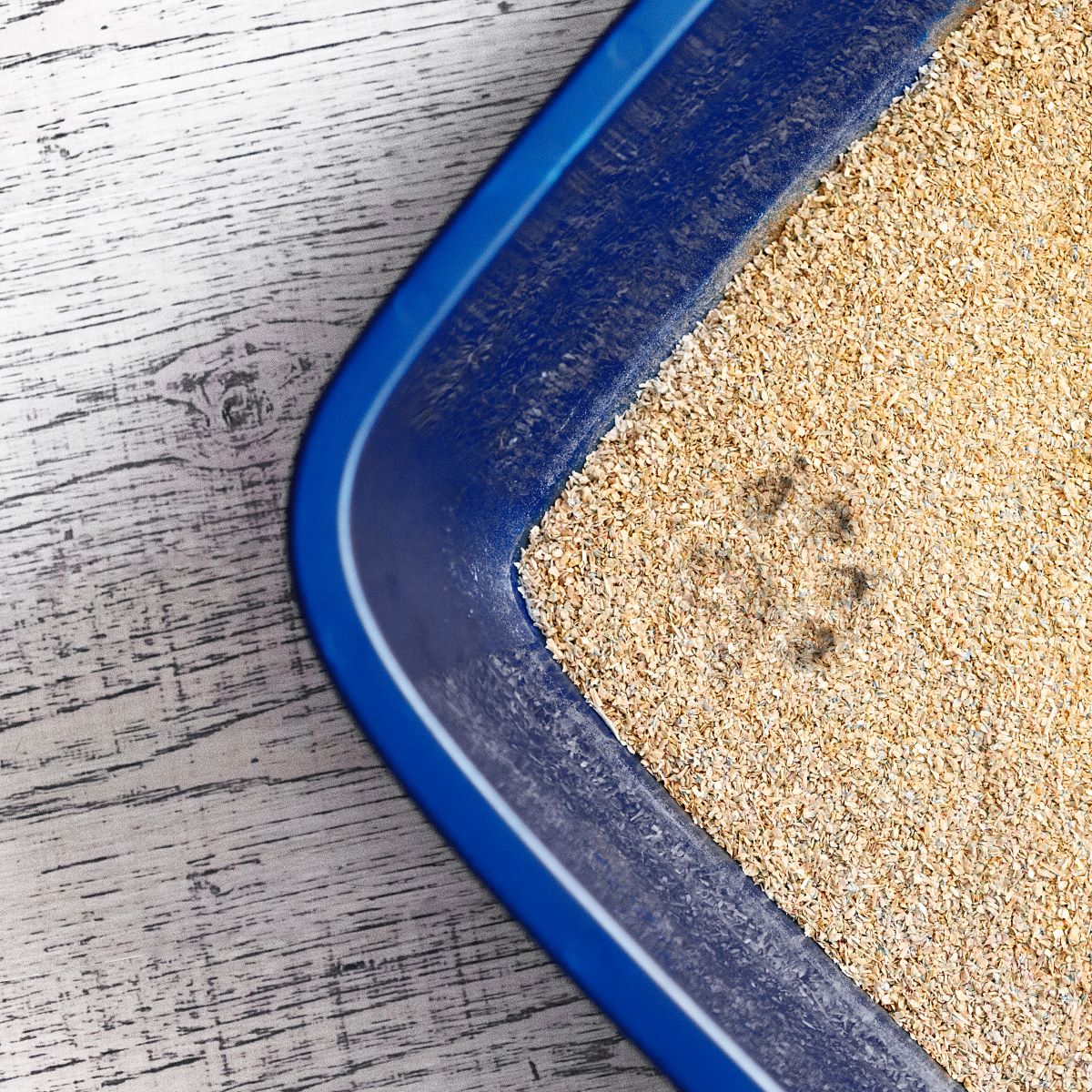
Natural Wood Cat Litter vs Clay & Silica: What's the Difference and Why Make the Switch Today
Read More

 email us